
 CONSUMER SERVICES


Rahul Poral - October 7, 2026
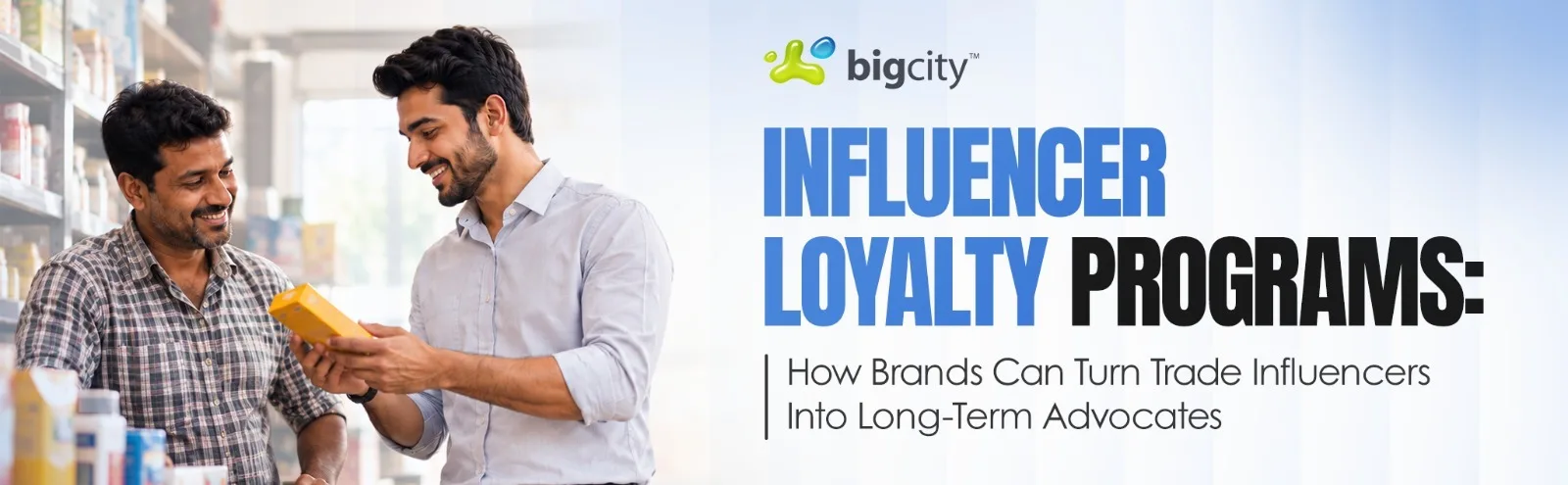

When people hear the word influencer, social media creators are often the first names that come to mind. But in many industries, purchase decisions are shaped by people who may have little or no social media following.
A plumber recommending a particular pipe or fitting, an electrician suggesting a switchgear brand, a mechanic advising a spare part, or a beautician recommending a professional product can directly influence what a customer buys. Contractors, architects, installers, consultants and other category professionals can have similar influence because their recommendations are based on product knowledge and hands-on experience.
This makes trade professionals an important audience for long-term engagement. Instead of approaching them only when a campaign is running, brands can build an Influencer loyalty program that recognises their contribution, encourages product adoption and creates an ongoing relationship.
An influencer loyalty program is a structured programme designed to engage people who influence product selection, recommendations or purchases within a particular industry.
For trade professionals, participation could be linked to activities such as product recommendations, referrals, repeat purchases, lead sharing, training completion or other meaningful interactions. Participants earn rewards or benefits based on clearly defined actions.
This is different from a one-off influencer campaign. A traditional campaign may involve paying an influencer to promote a product for a specific period. An influencer rewards program focuses on building a continuing relationship where professionals have multiple opportunities to engage, learn, recommend and earn.
The objective is to move from a single promotional interaction to sustained advocacy.
Traditional influencer marketing is often campaign-led. A brand identifies an influencer, defines the content or promotional activity, and measures results over a specific period.
A loyalty programme takes a longer view. It can encourage professionals to use products, recommend them when relevant and remain engaged with the brand over time.
The difference also extends to the nature of influence. A trade professional’s recommendation may happen during a real purchase or project decision rather than through a social media post. Product experience, technical knowledge and reliability can therefore be more important than audience size.
A strong programme can also create a community around education and recognition. Training, product updates, certifications and industry events can give professionals reasons to stay connected even when there is no immediate sales campaign.
Trade professionals can have significant word-of-mouth influence within their local markets and professional networks. Customers may trust their recommendations because they rely on their expertise when selecting products or services.
A structured programme can help strengthen this influence by giving professionals reasons to become more familiar with a product and recommend it when appropriate.
It can also support product adoption. Training and product education can help professionals understand how products work, where they fit and how to use them correctly.
Another advantage is market feedback. Professionals who work directly with products can provide practical insights about customer preferences, product performance, common issues and competitor activity.
Over time, this can create a brand advocacy program that supports both business growth and stronger relationships with the people influencing purchases.
The right participants will depend on the industry and how purchase decisions are made. Potential participants can include:
The important factor is not simply how many people a participant can reach. Their relevance to the category and ability to influence an actual purchase decision can be more valuable than follower count.
This makes segmentation important. A contractor working on large projects may need a different programme structure from a local installer who influences frequent consumer purchases.
Money-based rewards can be useful, but they are not the only incentive available. A well-rounded programme can combine financial and experiential benefits.
Referral rewards can recognise qualified leads or successful recommendations, while tier-based benefits can encourage participants to increase their engagement. Higher tiers could offer additional rewards, exclusive access or recognition.
Training and certification can provide professional value while helping participants become more confident with the products they recommend. Product samples and early access can help them experience new products before wider market availability.
Event invitations can create opportunities for networking and direct interaction. Recognition through badges, leaderboards or achievement milestones can also encourage participation.
In some categories, influencer incentives can go beyond rewards and support the professional’s own business growth. Training resources, business tools and educational content can make the programme useful even outside the immediate reward transaction.
A successful programme begins with identifying the right influencer segments. Understanding who influences purchases, what motivates them and how they interact with the category can help determine the programme structure.
The next step is defining the actions that should earn rewards. These could include referrals, product recommendations, repeat purchases, content creation, lead sharing, training completion or participation in brand activities.
Earning rules should be simple. Participants should be able to understand what action earns points or rewards, how much they can earn and when they can redeem them.
A digital platform can bring the programme together by allowing participants to register, track activity, submit claims, view their rewards and manage redemptions. This reduces manual processes and gives participants greater visibility into their progress.
Communication should continue throughout the programme. Product updates, new challenges, training opportunities, milestone reminders and personalised messages can help keep participants engaged without relying solely on promotional communication.
An influencer loyalty program needs metrics that reflect both participation and business influence.
The active influencer count can show whether registered participants are continuing to engage. Referral volume can indicate how effectively participants are generating leads or recommendations, while influenced sales can connect programme activity with commercial outcomes.
Repeat participation can reveal whether the programme is creating an ongoing relationship rather than one-time activity. Reward redemption rates can also provide insights into whether the incentive structure is relevant and easy to use.
Influencer retention is another important measure. If professionals continue participating over several months or programme cycles, it can indicate sustained engagement.
Depending on the programme, brands can also track training completion, product adoption, tier progression and regional performance to understand where engagement is strongest.
One common mistake is treating every influencer in the same way. Different professionals may have different motivations, purchase cycles and levels of influence. Segmentation can help create more relevant programme experiences.
Rewarding only reach can also be misleading. A participant with a smaller audience may influence significantly more actual purchases than someone with a larger following. Business influence should therefore be considered alongside reach.
Another issue is overlooking training and product education. Professionals need enough product knowledge to make informed recommendations. Education can therefore be an important part of trade influencer loyalty.
Finally, reward claims should not become complicated. If participants have to navigate unclear rules, lengthy approvals or difficult redemption processes, engagement can decline. Transparency and ease of use should be built into the programme from the beginning.
An influencer loyalty program is a structured engagement programme that rewards professionals or industry influencers for valuable actions such as referrals, recommendations, product adoption, training or repeat participation. Unlike a one-time influencer campaign, it is designed to build an ongoing relationship.
Industries where professionals influence product selection can benefit from these programmes. Examples include construction, electricals, plumbing, automotive, beauty, consumer durables, building materials, tools and other categories involving trade recommendations.
Brands can combine referral rewards, tier-based benefits, training and certification, product access, event invitations, recognition and business support. The most effective mix depends on what motivates the specific influencer segment and which behaviours the programme is designed to encourage.
Trade influencers can play an important role in shaping purchase decisions because their recommendations are often based on practical experience and category knowledge. A structured loyalty programme can help brands turn these individual interactions into longer-term relationships.
The focus should be on more than rewards alone. Simple earning rules, relevant incentives, professional education, recognition and an easy digital experience can give influencers multiple reasons to remain engaged and advocate for products.
BigCity Promotions helps brands build influencer and trade loyalty programmes that combine engagement, incentives, technology and rewards to create measurable business outcomes.
A promotech company specializing in tactical and loyalty campaigns, offering Retailer Programs, Influencer Programs, Distributor Programs, and Sales loyalty Programs. We leverage rewards, engagement-based technology, and loyalty strategies backed by AI and insights.










© 2026 Premier Sales Promotions Pvt. Ltd. All rights reserved.
 TRADE PLATFORMS